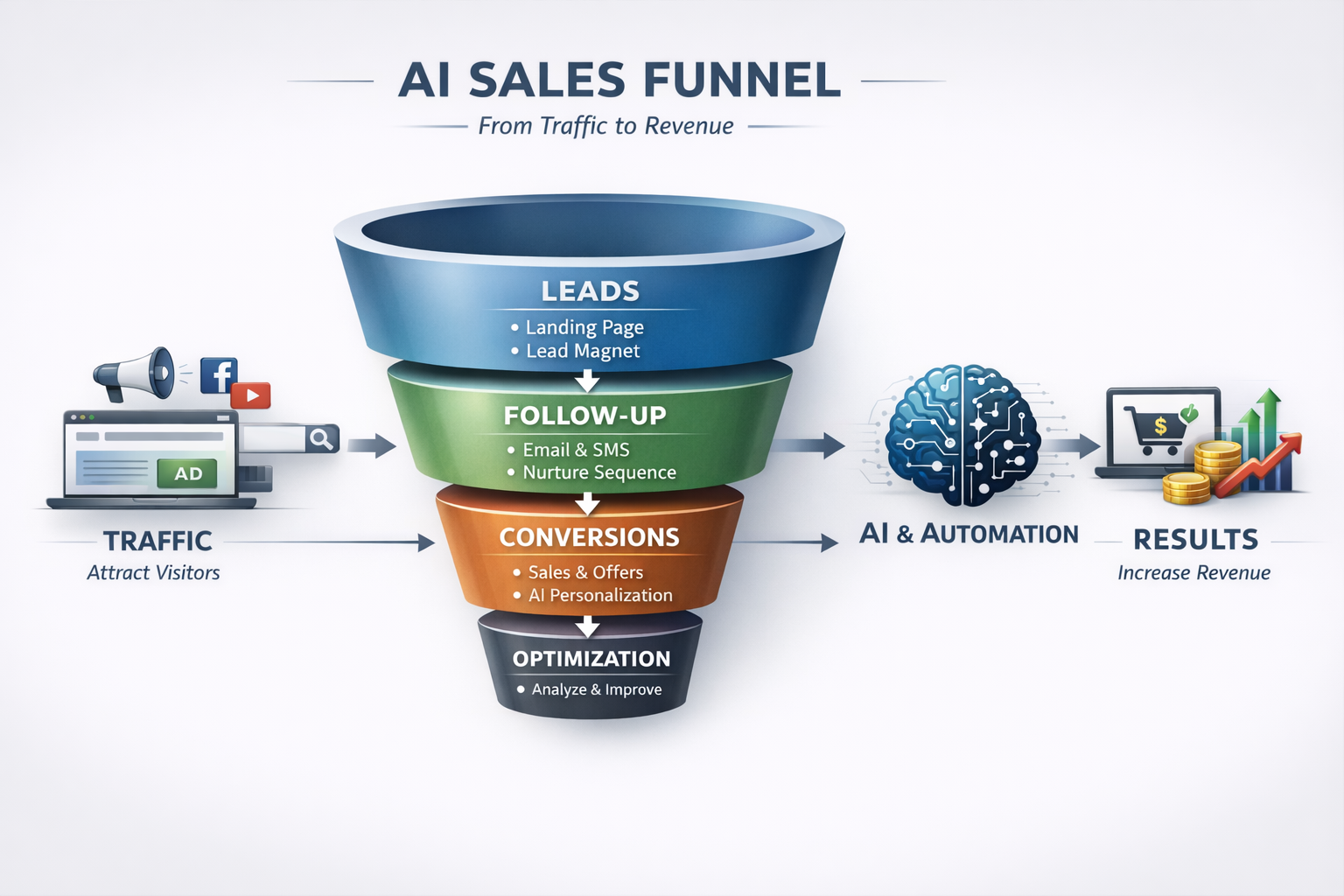
AI sales funnels in 2026 work by turning traffic into leads, leads into conversations, and conversations into conversions through automated, behavior-based systems. Instead of relying on one-time clicks, businesses use AI to capture interest, personalize follow-up, and guide prospects through a structured path that increases conversion and revenue predictability.
If you want to understand how this funnel system fits into the bigger picture, start with the full breakdown here:
AI for Online Business in 2026
The Real Problem: Attention Without Continuity
Most online businesses don’t have a traffic problem.
They have a continuity problem.
They generate:
- Views
- Clicks
- Engagement
But not:
- Leads
- Sales
- Revenue
Why this happens:
- No follow-up system
- No lead capture
- No structured journey
Traffic arrives… and disappears
Because there is no system designed to continue the interaction.
Traffic is not revenue.
Traffic is just potential that only becomes valuable when a system is designed to capture and convert it.
The Shift: From Traffic Generation to Revenue Systems
In 2026, the question is no longer:
“How do I get more traffic?”
It’s:
“How do I convert the traffic I already have?”
What works:
- Capturing leads before selling
- Building multi-step journeys
- Using AI to continue the conversation
What doesn’t:
- Sending traffic directly to offers
- Relying on one-page conversions
- Ignoring follow-up
Revenue today is not click-based
It’s system-based
The AI Funnel System (What Actually Works)
A real funnel in 2026 is not a page.
It’s a conversion system.
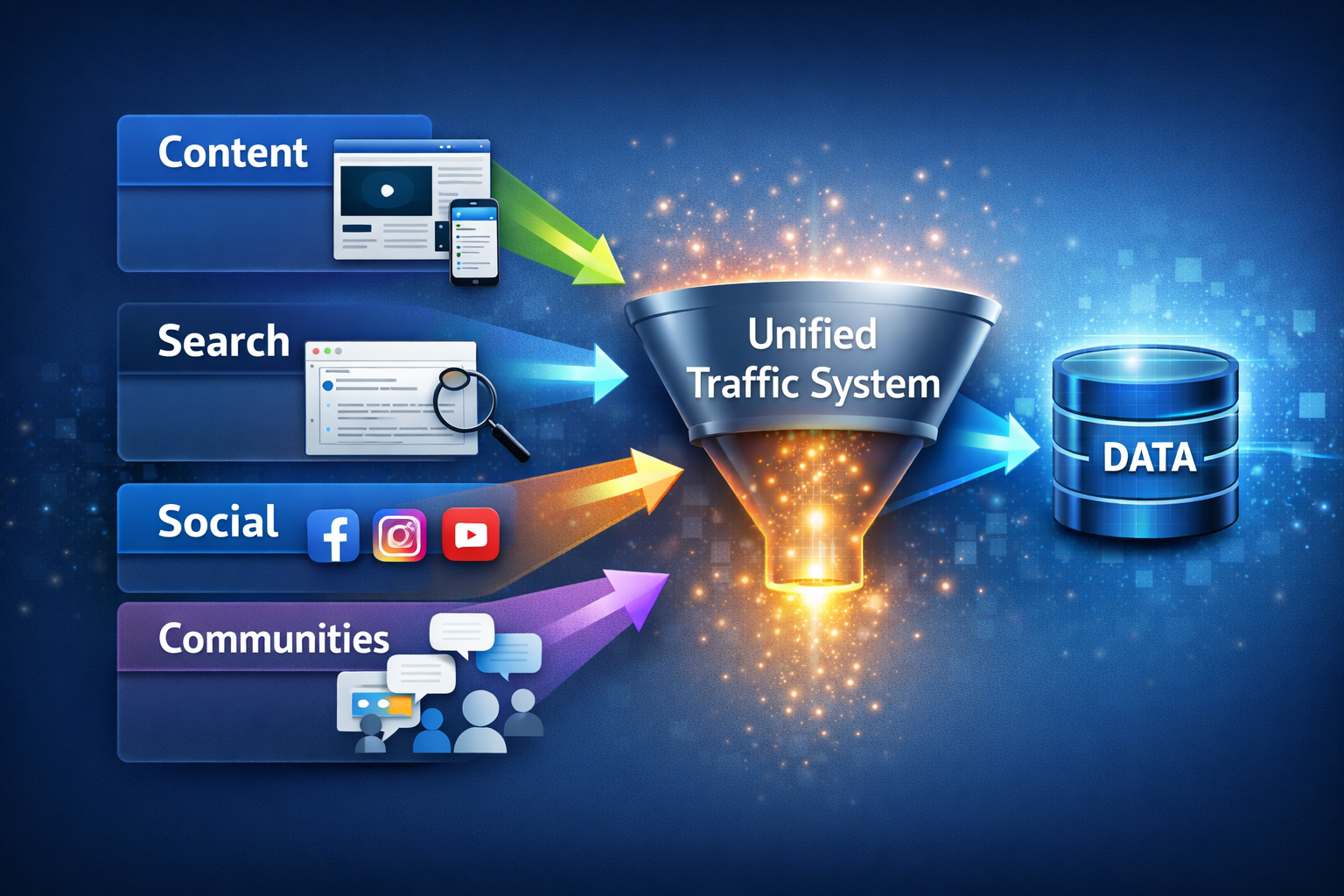
Step 1 — Traffic Entry (Attention Layer)
This is where users discover you:
- Content
- Social media
- Search
- Communities
But here’s the key:
Traffic is unqualified attention.
Not buyers.
Step 2 — Lead Capture (The Critical Transition)
This is where most businesses fail.
Instead of capturing leads, they try to sell immediately.
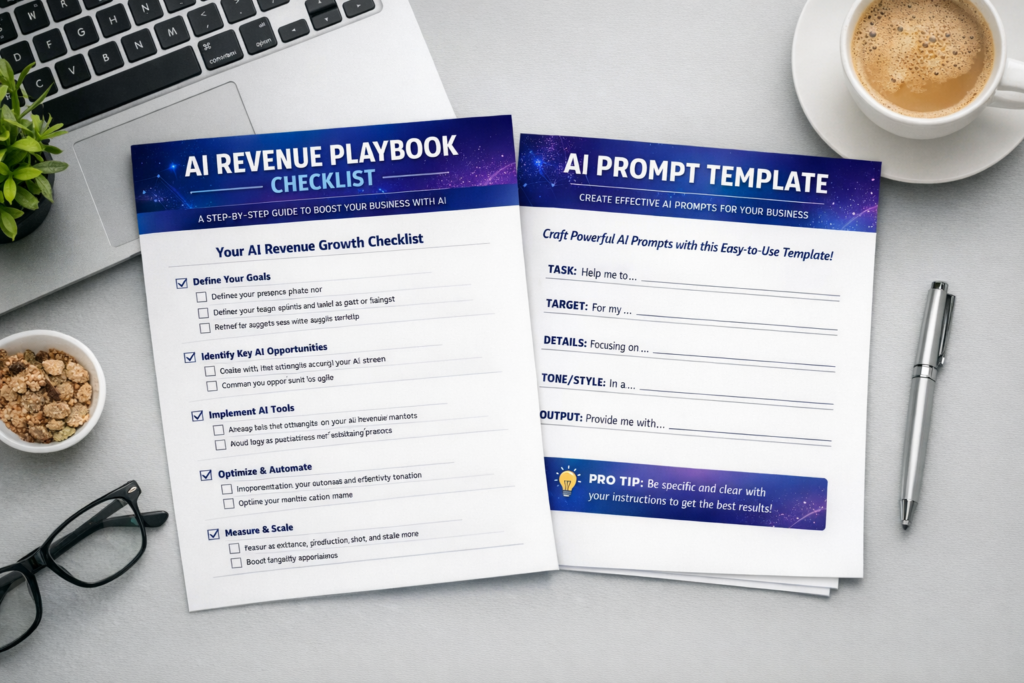
What works:
- Free resources
- Value-based entry points
- Clear positioning
The goal is simple:
Turn attention into contact
What doesn’t:
- “Buy now” pages
- No email capture
- No reason to stay
Platforms that combine landing pages, forms, and follow-up into one connected system can make lead capture far more efficient. Kartra is one example of an all-in-one platform built around that funnel logic.
If you want to understand how this connects to a full online revenue system, explore the full framework here:
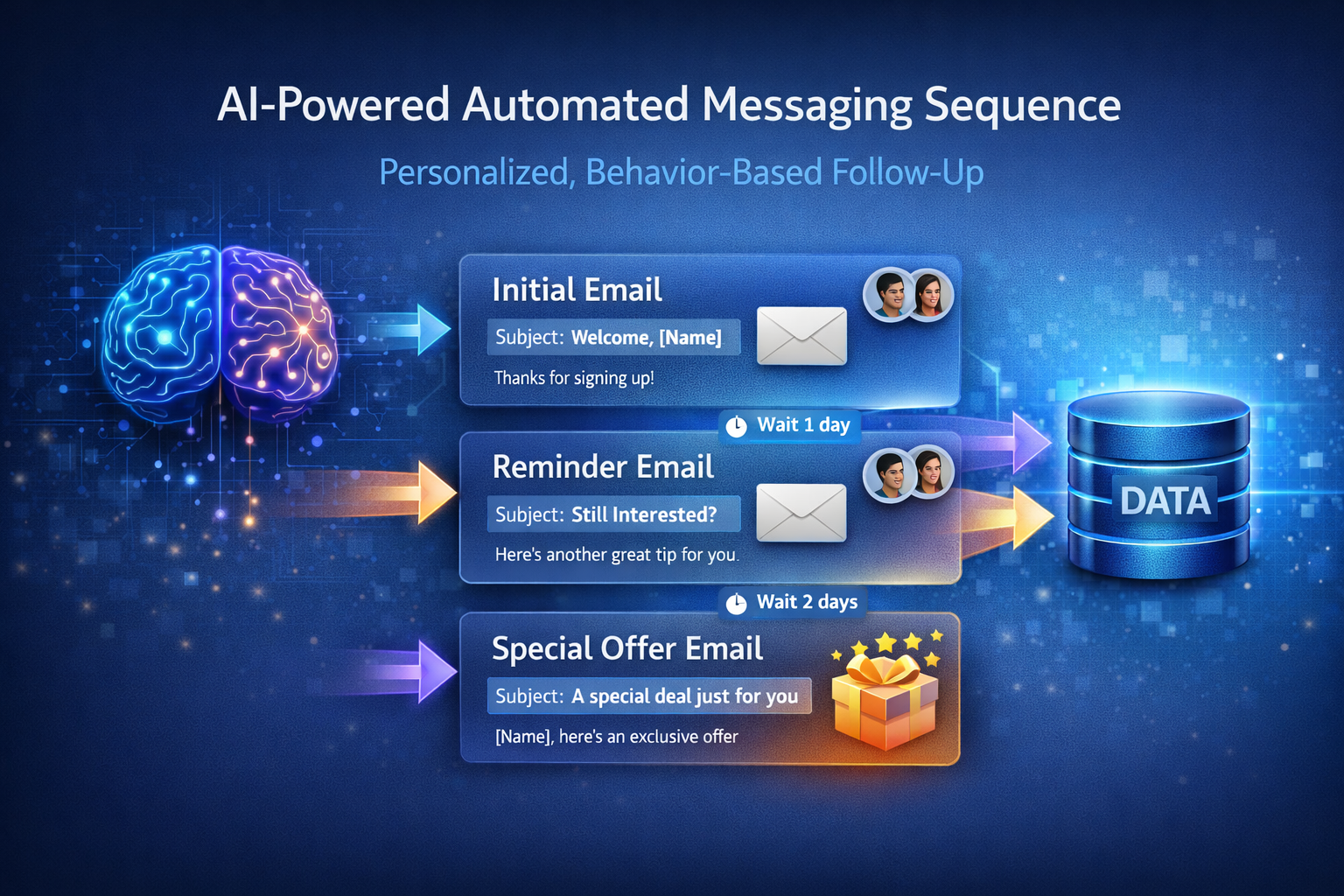
Step 3 — AI-Powered Follow-Up (Where Revenue Multiplies)
This is the most underestimated part of any funnel.
Because most conversions don’t happen on the first interaction.
AI follow-up works because it reduces the gap between interest and decision.
Instead of sending the same message to everyone, AI can respond based on:
- Behavior
- Timing
- Context
Which makes communication more relevant — and increases the likelihood of conversion.
What AI enables:
- Automated follow-ups
- Personalized messaging
- Behavior-based sequences
- Dynamic segmentation
What works:
- Multi-touch communication
- Contextual messages
- Timing optimization
What doesn’t:
- One email and done
- Generic sequences
- No personalization
Behavior-based email automation is one of the most important parts of this stage because it allows follow-up to adapt based on what each lead actually does. Encharge is one example of a tool built for that kind of workflow.
Step 4 — Conversion Layer (From Interest to Decision)
This is where the sale actually happens.
But only after:
- Trust is built
- Context is created
- Value is clear
Conversion today is:
- Conversation-driven
- Contextual
- Gradual
Not:
- Instant
- Aggressive
- Transactional
The more complex the offer
The more important the journey
Automated webinars can extend the sales process without requiring constant live presence, making them especially useful for offers that need more explanation before conversion. EverWebinar is one example of a tool built around that model.
Step 5 — Optimization & Feedback Loop
This is what turns funnels into systems.
AI tracks:
- Click behavior
- Engagement
- Drop-off points
- Conversion rates
And improves:
- Messaging
- Timing
- Targeting
Funnel optimization becomes far more effective when you can clearly see where users drop off, convert, or lose momentum. FunnelFlux is one example of a platform designed to make that analysis more actionable.
Why Most AI Funnels Still Fail
Even with AI, most funnels don’t work.
Not because of the tools.
But because of the structure.
Common failures:
- Automation without positioning
- Lead capture without relevance
- Follow-up without segmentation
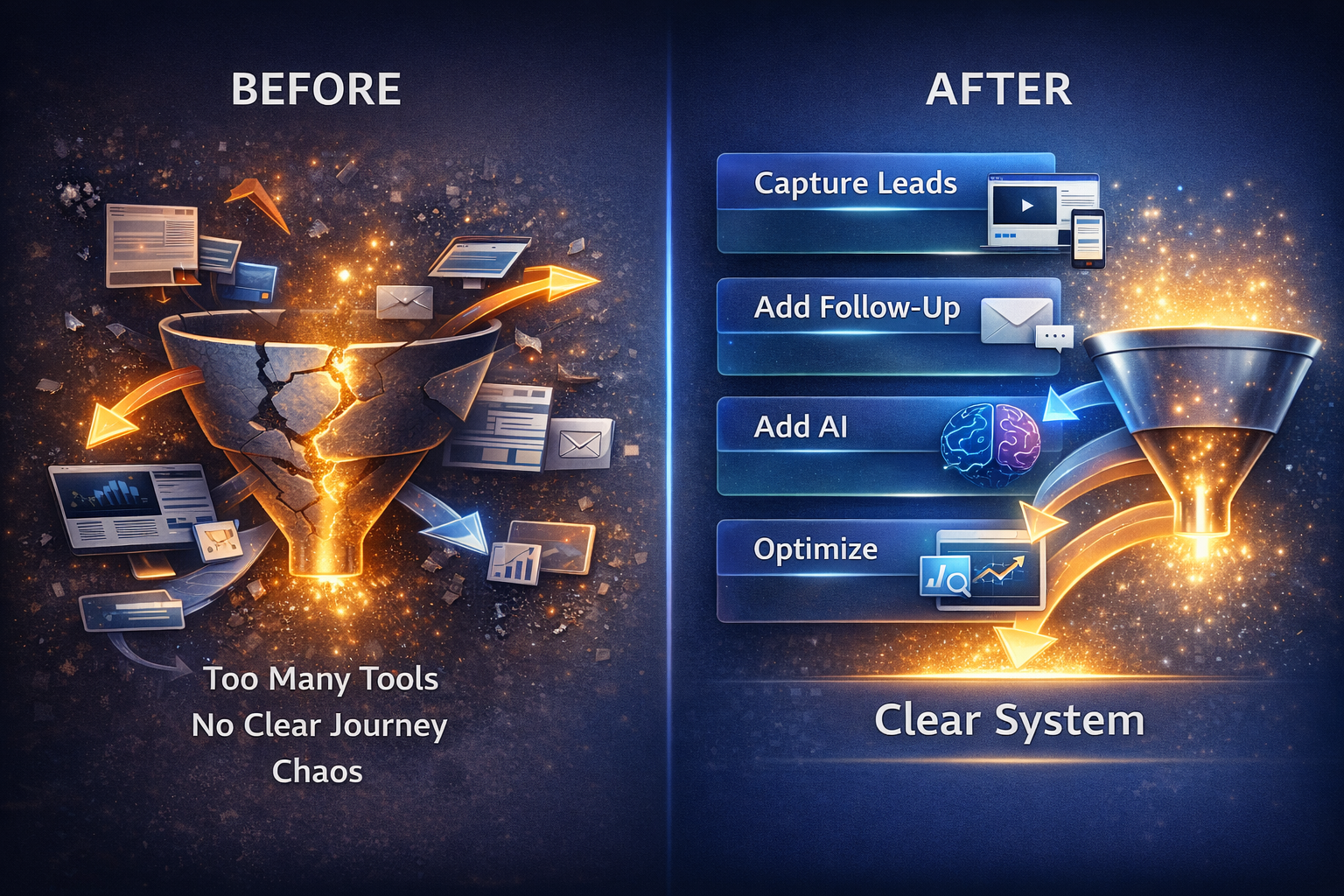
- Too many tools, no journey design
AI does not fix a broken system
It amplifies it
What Actually Works vs What Fails
✅ What Works
- Lead-first funnels
- AI-driven follow-up
- Multi-step journeys
- Continuous optimization
❌ What Fails
- Direct-to-offer traffic
- No follow-up
- Static funnels
- One-size messaging
The Biggest Mistakes (And Their Consequences)
Mistake 1 — Skipping Lead Capture
Consequence:
- Lost traffic
- No relationship
- No second chance
Mistake 2 — No Follow-Up System
Consequence:
- Low conversion
- Wasted acquisition cost
Mistake 3 — Treating Funnels as Pages
Consequence:
- No journey
- No context
- No trust
Mistake 4 — No Optimization
Consequence:
- Stagnant results
- No growth
Before vs After (Real Funnel Behavior)
Before
Traffic → offer
Low conversion
No system
After
Traffic → lead → follow-up → conversion
Higher conversion rates
Predictable revenue
Same traffic
Completely different outcome
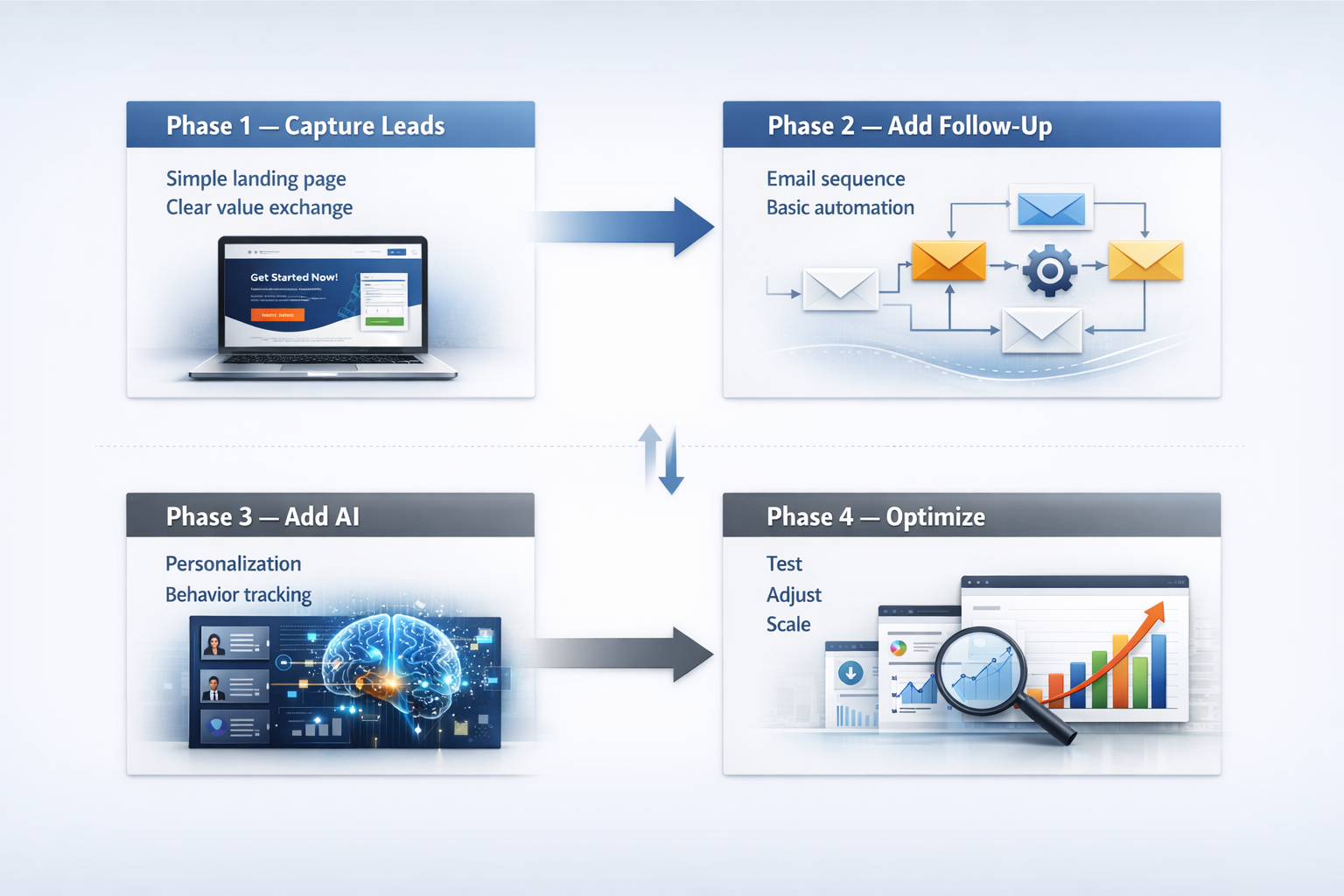
How to Build This Without Overcomplicating
Summary
- Traffic alone does not generate revenue
- AI funnels connect capture, follow-up, and conversion
- Most sales happen after the first interaction
- AI improves personalization and timing
- Revenue becomes predictable when systems are structured
Conclusion
The businesses winning with AI in 2026 are not the ones generating the most traffic.
They are the ones with the strongest conversion systems.
Because traffic can disappear.
Algorithms can change.
Platforms can fluctuate.
But a structured system that captures, nurtures, and converts attention into revenue becomes an asset.
And that is what actually scales.
Related Reviews
If you want to explore tools connected to different layers of the funnel system, these reviews may help:
- GoHighLevel — CRM and automation for managing leads and sales pipelines
- WebinarJam — live webinar software for real-time audience engagement
- Wishpond — landing pages and campaign tools for lead generation
- Flow XO — chatbot automation for conversational funnel touchpoints
- Mailivery — email deliverability support for higher inbox performance
About the Author
Lydia (Salles & Co. Digital) is a Strategic Affiliate focused on international digital products, AI tools, premium programs, and high-level business opportunities. She analyzes platforms, launches, and ecosystems from a practical, results-driven perspective before recommending them.