
Zendrop is worth it in 2026 for dropshipping businesses that already have validated products and need faster shipping, better supplier reliability, and more control over fulfillment. It is not ideal for early-stage testing, where flexibility and low cost matter more than operational structure. Its real value appears when used as part of a scalable ecommerce system.

The Real Problem Isn’t Suppliers — It’s the System Behind Them
Most dropshipping issues are not caused by suppliers alone.
They come from:
- fragmented fulfillment processes
- lack of control over logistics
- dependency on unstable sourcing
This is where platforms like Zendrop enter.
But here’s the critical distinction:
If you’re not thinking in terms of systems yet, this is where most businesses get stuck.
A full breakdown of how AI-driven systems actually work — from acquisition to operations — is covered here:
→ The Role of AI in Building and Scaling an Online Business in 2026
Zendrop only makes sense when you understand that bigger picture.
Where Zendrop Fits in a Scalable Ecommerce System
Modern ecommerce is no longer about “finding a supplier”.
It’s about structuring:
Product → Store → Fulfillment → Customer Experience → Retention
Zendrop sits here:
Fulfillment + Supplier Control Layer
What it actually does:
- connects you to vetted suppliers
- manages order fulfillment
- improves shipping predictability
What it does NOT do:
- validate your product
- generate traffic
- fix a weak offer
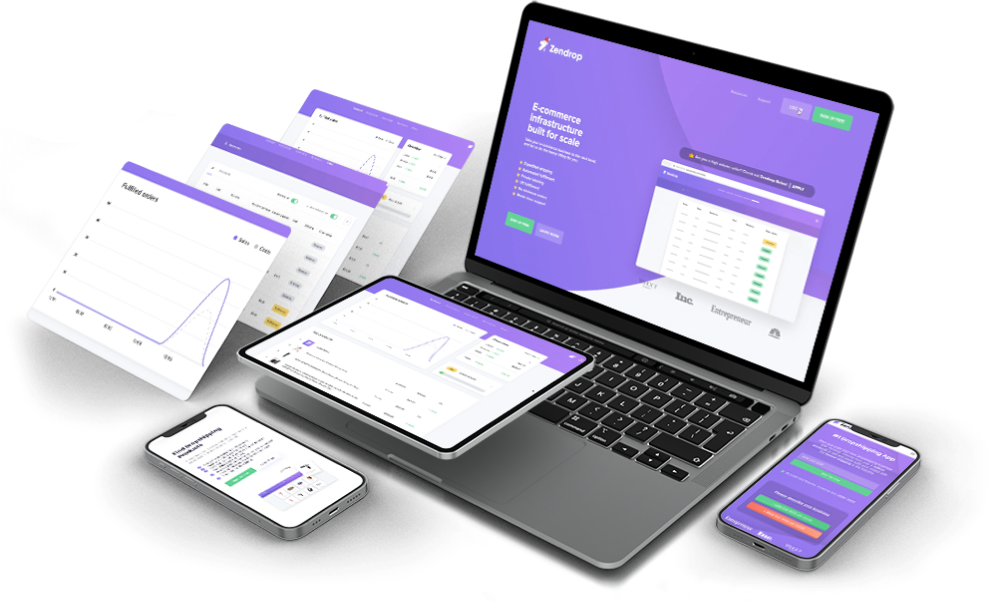
How Zendrop Works in Practice
1. Product Sourcing
- Import from Zendrop catalog
- Request custom sourcing
Useful for moving beyond saturated AliExpress products
2. Store Integration
- Shopify integration
- automated order syncing
- tracking updates
3. Fulfillment & Shipping
- order processing
- supplier coordination
- delivery tracking
Fulfillment Alone Doesn’t Scale — Systems Do
One of the biggest mistakes in dropshipping is focusing only on suppliers.
That’s how most stores:
- jump between platforms
- chase cheaper products
- never build consistency
The reality is:
Fulfillment is just one layer of the system.
If you want to understand how tools actually fit into a real business structure — not just as isolated solutions — this breakdown is essential:
→ Best AI Tools for Online Business in 2026: What Actually Works
It shows:
- where each tool fits
- when it matters
- when it becomes irrelevant
Why this matters for Zendrop
Zendrop is not a “better supplier list”.
Used alone:
❌ it’s just another fulfillment tool
Used inside a system:
✅ it becomes a scaling infrastructure
When Zendrop Actually Works (And When It Doesn’t)
✅ When it works
Zendrop performs best when:
- you already have sales
- you’re scaling winning products
- customer experience matters
- fulfillment speed impacts retention
❌ When it doesn’t
Zendrop is not ideal when:
- you are testing products aggressively
- you rely on ultra-low cost sourcing
- you don’t have consistent traffic
Common Mistakes
1. Switching Too Early
Using Zendrop before validation → unnecessary cost
2. Expecting It to “Fix” the Business
Fulfillment ≠ growth
3. Ignoring Margins
Better shipping often means higher costs
Zendrop vs Other Fulfillment Options
| Option | Strength | Limitation |
|---|---|---|
| AliExpress | variety | slow & inconsistent |
| CJdropshipping | flexible | operational complexity |
| Zendrop | reliability | less testing flexibility |
Zendrop trades:
variety for consistency
Who Should Use Zendrop (And Who Shouldn’t)
✔️ Ideal for:
- stores doing $1k–$10k+/month
- scaling products
- brand-focused ecommerce
❌ Not ideal for:
- beginners testing dozens of products
- no traffic stage
- price-first strategies
Before vs After Using Zendrop
Before:
- long shipping times
- supplier inconsistency
- refund issues
After:
- more predictable delivery
- improved customer experience
- smoother scaling
Summary
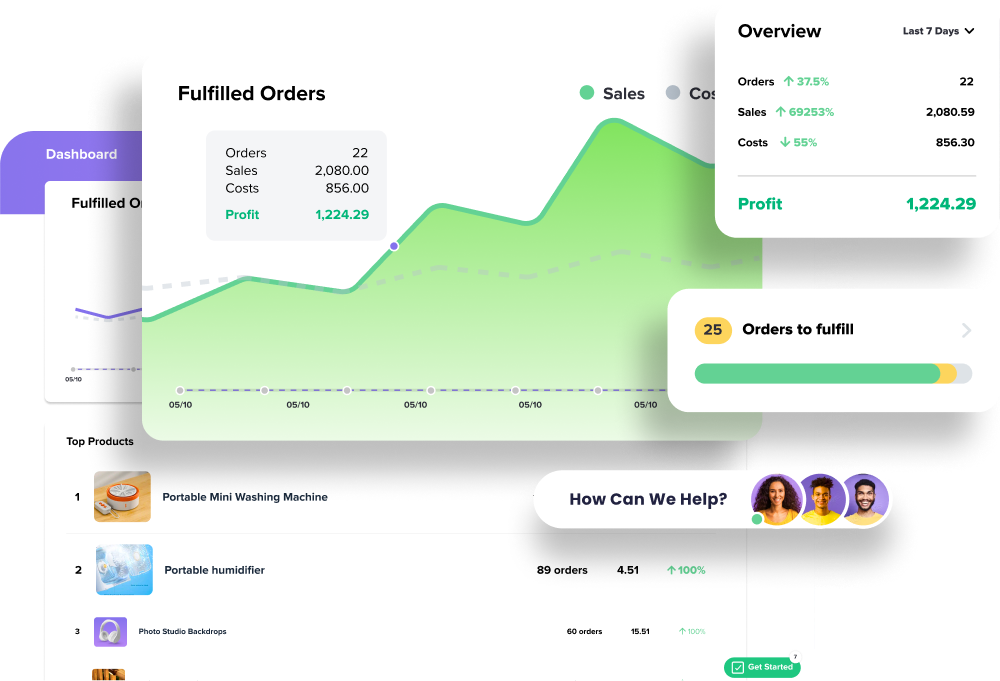
- Zendrop is a fulfillment infrastructure, not a growth tool
- It works best in validated and scaling stores
- It improves reliability and customer experience
- It is not ideal for early-stage testing
- Its value comes from operational stability
Final Verdict
Zendrop is not for everyone — and that’s exactly why it works.
If you are:
- scaling
- optimizing fulfillment
- improving customer experience
It becomes a strong operational advantage.
If you are still:
- testing products
- experimenting with traffic
- validating ideas
Then it’s premature.
If you’re moving beyond product testing and need a more reliable fulfillment system, Zendrop is worth integrating into your operation.
Get started here: zendrop.io
Official Source
Official source: Based on the official Zendrop website.
About the Author
Lydia (Salles & Co. Digital) is a Strategic Affiliate focused on international digital products, AI tools, premium programs, and high-level business opportunities. She analyzes platforms, launches, and ecosystems from a practical, results-driven perspective before recommending them.
Some links may be affiliate links, meaning she may earn a commission at no additional cost to you.